
Make money from your digital photos
By Mona NathSo you think you take good photographs? You are creative, your picture speak...? Now, thanks to microstock photography websites, you can make money out of this hobby. Microstock photography websites sell your images / photos for a few dollars or less — sometimes even as low as 15 cents. Keeping prices low has an obvious advantage. There are hundreds of customers out there who are willing to spend small (or very small) amounts on stock photos. Relatively there are very few people willing to pay heavily for a single photograph. You will end up making much more money by selling *many* low-cost images. For some dedicated photographers, money from microstock sales is their primary income!
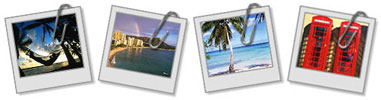



iStockphoto.com, Fotolia.com and Shutterstock.com are popular microstock sites you should check out. But before you start, there are things you should know.
 |
Image quality is important A digital SLR camera will give you the best photographs. But you can use any camera that has a good sensor.
You must avoid 'noise' and 'compression artifacting'. Noise is created when pixels of a different color are seen in a solid color. This is most common when a photograph is taken in low-light conditions. Some cameras create more noise than others. Also, higher ISO settings increase noise. Compression artifacting is a loss of image detail. This happens when you use too much compression (as a camera setting, or while editing).
Shoot in RAW format, if possible. This yields the best quality photographs. RAW files are like digital negatives. You can make more adjustments during the editing process. For example, you can change white balance and exposure.
After you are done with the editing, save your images as high quality JPEGs. Avoid editing JPEGs.
Your photos must be reviewed Microstock sites diligently review all photographs submitted. Be thorough when you make your first submission. If it is rejected, you may need to wait a month before reapplying. Read the sites' training materials carefully to get started. You may be quizzed with a questionnaire before being given access to upload photographs.
 |
Subject matter is important Review the popular photos on microstock sites to see what sells. (Photos of flowers and pets will probably be rejected — unless they're unique.)
Certain subjects sell better than others. Business, lifestyle and food photographs are popular. Photographs that promote a concept such as healthy living sell well. And don't forget seasonal photographs. Take photographs that relate to holidays — and upload them well in time (i.e. if a photograph is related to Christmas, make sure it is up at least a month in advance).
Don't recreate another photographer's image. Your photos will be rejected.
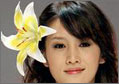 |
A release may be required If a person's face is visible in your photo, a model release is required. This also applies to self-portraits. A release gives you permission to use someone's likeness for commercial purposes. Likewise, you'll need a release for identifiable buildings and houses.
You cannot include subjects protected by a copyright or trademark. This includes logos, insignias and designs. Some buildings are also trademarked.
Uploading images is labourious work Making a substantial amount of money requires dedication. The larger your portfolio, the more you'll make. You'll need to upload hundreds of photos to see real income.
You can upload the same photos to numerous microstock sites. This increases your chance of finding buyers. Focus on the sites where you sell the most.
You must add keywords, titles and descriptions to your photos. This is a lot of work if you upload to a dozen different sites.
Last but not the least Technical skills are imperative — there's no doubt about that. But commercial appeal and creativity are equally important. So make sure your picture is worth a thousand words. Or thereabouts.
REQUEST A QUOTATION
Submit your photos for assessment and pricing
(no obligation)

We provide custom photo editing services.
Click here to submit assignment or ask questions.
'Quick' photo editing is free.
You will receive a quotation for 'Paid' jobs.
Complete privacy is guaranteed.
Read FAQ
